


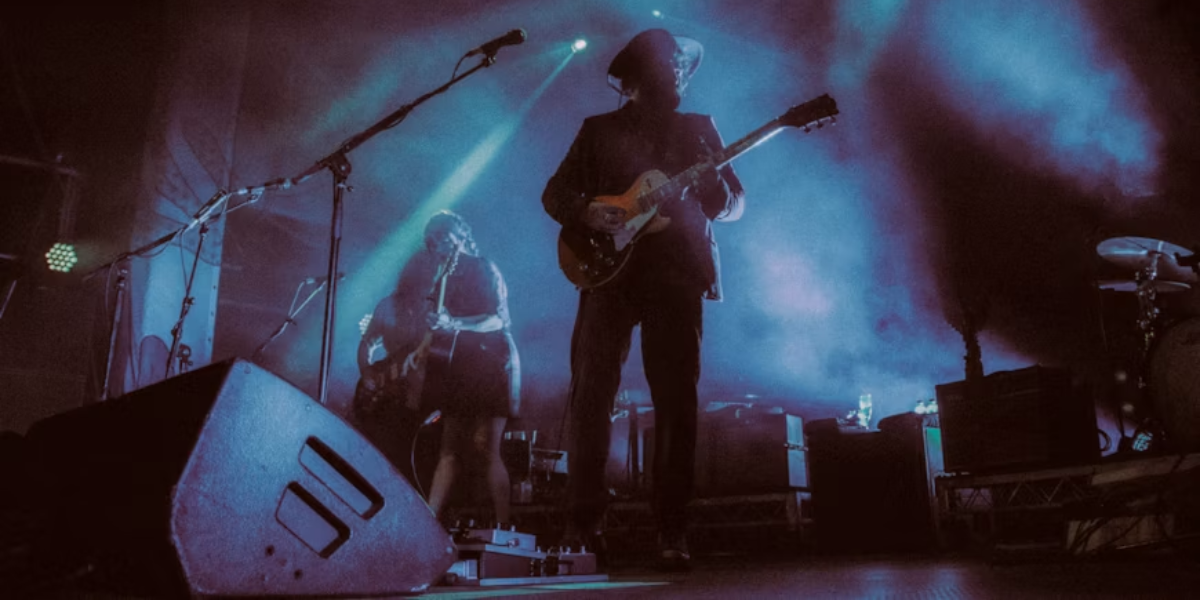
One of the biggest events on the American music calendar continued to dominate headlines on July 31, 2026, as Lollapalooza 2026 entered its second day in Chicago’s Grant Park. The four-day festival, which opened on July 30 and runs through August 2, once again attracted thousands of concertgoers while also reaching millions of viewers through expanded livestream coverage on Hulu and Disney+.
Now in its latest edition, Lollapalooza remains one of the United States’ most influential music festivals. The event brings together internationally recognized headliners, emerging artists, and fans representing a wide range of musical tastes. From pop and hip-hop to rock, electronic, and alternative music, the festival continues to showcase the diversity of today’s music industry while providing artists with one of the year’s highest-profile performance opportunities.
A defining feature of this year’s festival is its enhanced digital accessibility. Selected performances are being streamed live across two dedicated channels on Hulu and Disney+, allowing music fans who cannot attend in person to experience performances from home. The continued expansion of festival livestreams reflects a broader trend within the live music industry, where organizers increasingly combine physical attendance with digital viewing experiences to reach larger audiences.
Friday’s lineup features several of the festival’s most anticipated performances. Artists including Charli XCX and The Smashing Pumpkins headline the evening, while the broader weekend schedule includes performers such as Lorde, Jennie, Tate McRae, Olivia Dean, The xx, John Summit, Blood Orange, Clipse, Lil Uzi Vert, Major Lazer, and The Chainsmokers. The wide-ranging lineup highlights Lollapalooza’s ongoing commitment to presenting both established stars and rising talent across multiple genres.
For many performers, appearing at Lollapalooza represents more than another stop on a tour. Festival appearances often introduce artists to new audiences, generate significant online discussion, and create memorable live moments that can influence streaming activity and media attention long after the event concludes. With millions following performances both on-site and online, the festival has become an important platform for artist visibility and career growth.
The festival also continues to play a meaningful role in Chicago’s cultural and economic landscape. Every summer, Grant Park transforms into a destination for visitors from across the United States and abroad. Hotels, restaurants, transportation providers, and local businesses typically experience increased activity throughout the festival weekend, illustrating how large-scale music events contribute to local tourism and hospitality sectors.
Beyond the economic impact, Lollapalooza reflects the evolution of the modern concert experience. Improvements in production technology, livestreaming capabilities, and digital engagement have expanded how audiences participate in music festivals. Fans watching remotely can follow performances in real time, interact on social media, and discover new artists without traveling to the venue. This hybrid model has become an increasingly valuable part of the live music business following its rapid growth over the past several years.
Festival organizers have also emphasized the importance of schedule flexibility and audience experience. With multiple stages operating simultaneously, attendees have opportunities to explore different genres and discover performers they may not have previously followed. This mix of headline acts and emerging musicians has long been one of Lollapalooza’s defining characteristics and continues to distinguish it from many single-genre festivals.
For the music industry, Lollapalooza serves as an important indicator of broader trends in artist popularity and audience preferences. The diversity of this year’s lineup demonstrates continued demand for cross-genre programming, while the prominence of international performers reflects the increasingly global nature of popular music. At the same time, the festival provides independent and developing artists with exposure alongside some of the industry’s biggest names.
Digital audiences have become an increasingly important part of these major events. Livestream partnerships with established streaming platforms allow festivals to extend their reach well beyond venue capacity, creating additional opportunities for fan engagement and artist promotion. As streaming technology continues to improve, hybrid festivals are expected to remain an important model for future live music events.
As July 31 comes to a close, Lollapalooza 2026 continues to stand out as one of the year’s most significant music events in the United States. Its combination of world-class performances, broad genre representation, strong digital accessibility, and substantial cultural impact underscores why it remains one of the country’s premier music festivals. For artists, industry professionals, and fans alike, the festival continues to celebrate live music while demonstrating how major events are adapting to an increasingly connected global audience.