


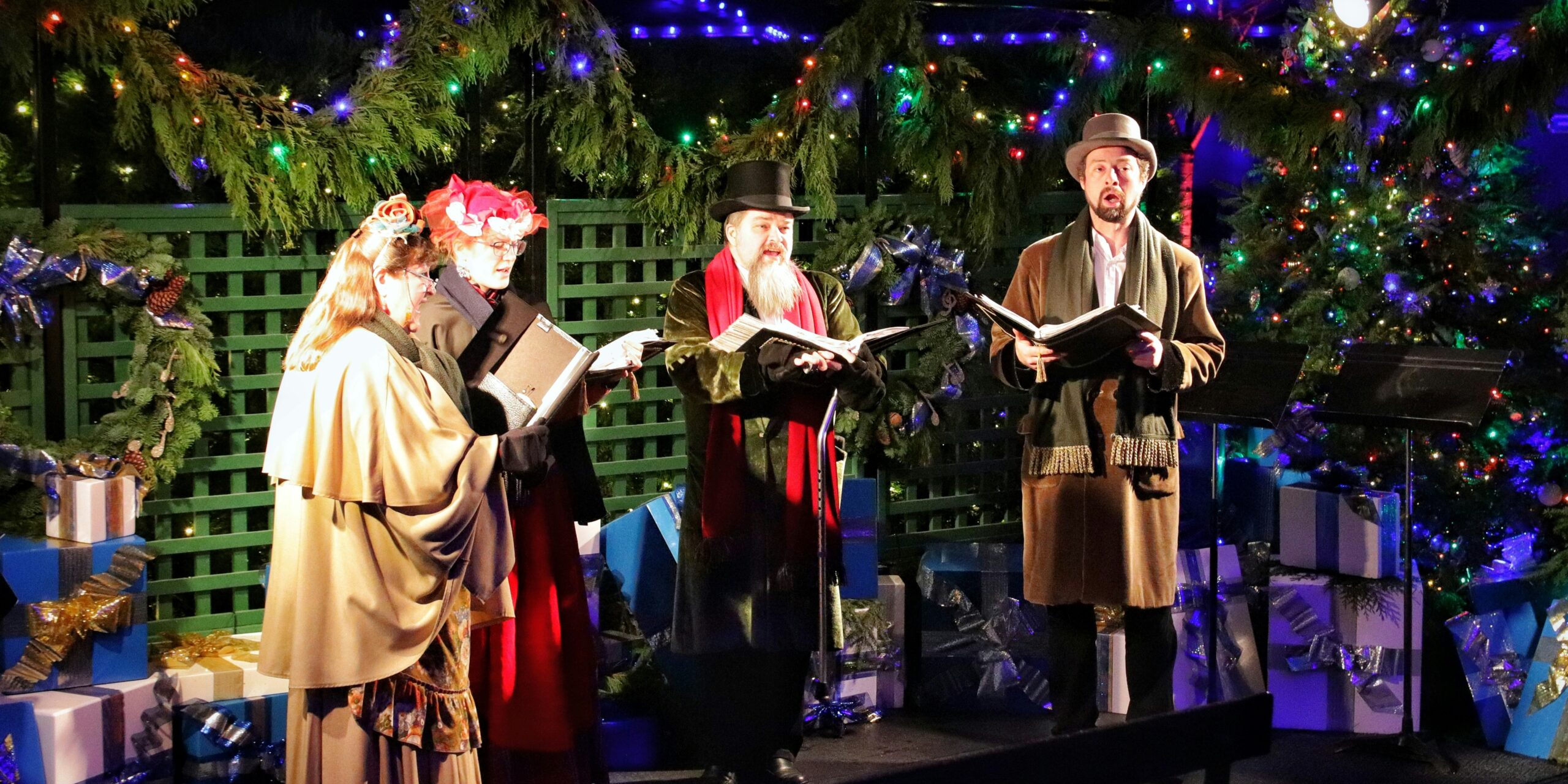
On the winter solstice, December 21, 2025, cities across the United States marked the shortest day of the year with sound rather than silence as Make Music Winter returned for its annual celebration of community-driven music. The free, participatory event transformed streets, parks, plazas, and public gathering spaces into open-air stages, inviting people of all ages and musical backgrounds to take part in live performances and spontaneous music-making.
Make Music Winter is organized by the NAMM Foundation and is designed as a seasonal counterpart to the widely recognized Make Music Day, which takes place every June. While the summer edition emphasizes large-scale outdoor concerts, the winter version focuses on intimate, mobile, and often reflective performances that align with the solstice’s themes of transition and renewal. Together, the events form part of a global movement promoting access to music as a public good.
Across participating cities, the atmosphere was intentionally informal and inclusive. Professional musicians performed alongside students, amateur players, and first-time participants. In many locations, the emphasis was not on polished concerts but on shared experiences, with organizers encouraging audience members to sing, play simple instruments, or follow along in moving musical processions.
One of the most recognizable features of Make Music Winter is the bell procession, a tradition that has grown in popularity since the event’s early years. Participants are invited to bring bells of any kind—handbells, jingle bells, bicycle bells, or even improvised instruments—and join guided walks through neighborhoods and city centers. These processions symbolize the return of light after the solstice and serve as an accessible entry point for people without formal musical training.
In addition to bell events, cities hosted a wide variety of performances reflecting local culture and musical tastes. Choral groups performed seasonal and contemporary works, brass ensembles played holiday standards, and percussion circles gathered in public squares. Some communities featured interactive workshops, where passersby could learn simple rhythms or songs before joining a group performance minutes later.
The decentralized structure of Make Music Winter allows each city to shape its own programming. Local arts organizations, schools, libraries, and volunteer coordinators collaborate to identify venues and performers, often using nontraditional spaces such as sidewalks, transit stations, and building courtyards. This flexibility helps the event reach audiences who might not typically attend formal concerts or cultural institutions.
Organizers say the goal is to remove barriers that often limit participation in the arts. All Make Music Winter events are free and open to the public, with no tickets required. Instruments are frequently provided on site, and performances are designed to be welcoming rather than intimidating. The emphasis on participation over spectatorship is central to the event’s philosophy.
The NAMM Foundation, a nonprofit organization dedicated to advancing music education and access, supports Make Music Winter as part of its broader mission to highlight the social, educational, and economic benefits of music. Foundation leaders have consistently framed the event as a reminder that music is not only entertainment but also a tool for connection, wellness, and civic engagement.
In recent years, Make Music Winter has taken on added significance as communities seek low-cost, accessible ways to bring people together in public spaces. The event’s timing—during the holiday season and at the end of the calendar year—positions it as a moment of shared reflection and celebration. For many participants, it offers an alternative to commercial holiday activities, centered instead on creativity and collective experience.
Weather conditions, often unpredictable in late December, are treated as part of the event rather than an obstacle. Performances are typically brief, mobile, or adaptable, allowing them to continue even in cold temperatures. In some cities, indoor public spaces such as libraries or covered plazas are incorporated to ensure accessibility while maintaining the event’s open, communal spirit.
The reach of Make Music Winter continues to expand as more U.S. cities adopt the model each year. While participation numbers vary by location, organizers report steady growth in both performers and audiences, driven in part by word-of-mouth and partnerships with local cultural institutions. Social media has also played a role in amplifying the event, with participants sharing videos and photos of performances unfolding in unexpected places.
For musicians, the event offers a rare opportunity to perform outside traditional venues and formats. Many artists use Make Music Winter to experiment with new material, collaborate across genres, or simply reconnect with the joy of playing in public. For audiences, the surprise of encountering live music during everyday routines—while shopping, commuting, or walking through a park—is often cited as one of the event’s most memorable aspects.
As the 2025 edition concluded on December 21, organizers emphasized that Make Music Winter is not intended to replace established cultural programming, but to complement it by reminding communities that music belongs everywhere. By turning public spaces into shared stages, the event reinforces the idea that artistic expression is a communal resource rather than a luxury.
With its continued expansion and strong local participation, Make Music Winter has established itself as a distinctive fixture on the American cultural calendar. Each year, the solstice celebration offers a simple but resonant message: even on the darkest day of the year, music has the power to bring people together.