Independent Artists Gain Momentum as Music Streaming Platforms Expand Creator Tools in 2026

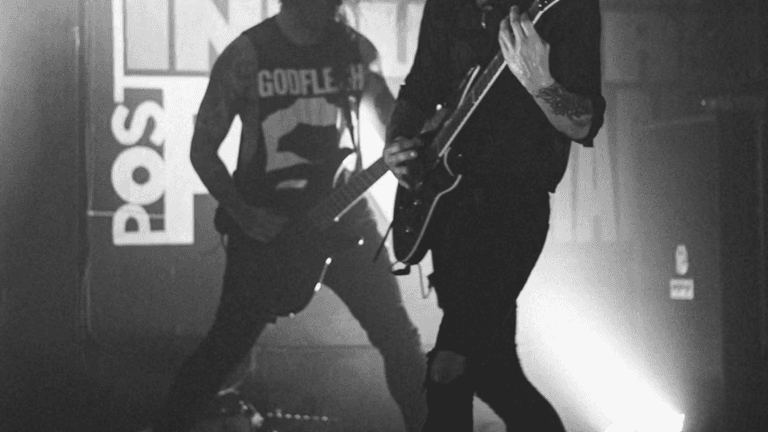
Independent musicians across the United States are seeing new opportunities for growth in 2026 as major music streaming platforms continue rolling out expanded creator tools, fan engagement features, and direct-to-audience marketing options. The latest platform updates announced this week highlight how the music industry is increasingly focusing on artist independence, digital visibility, and community-driven promotion.
Several leading streaming and music technology companies introduced new features aimed at helping artists manage releases, analyze listener behavior, promote tours, and strengthen fan relationships without relying entirely on traditional label systems. Industry analysts say the trend reflects the continued rise of independent music creators and the growing importance of digital-first artist development.
The announcements arrive during a period of significant transformation within the global music business. Independent artists now account for a larger share of streaming consumption than ever before, driven by accessible recording technology, social media promotion, and audience discovery through algorithm-based playlists.
Music executives note that many emerging artists are building successful careers by combining streaming revenue with merchandise sales, touring, fan subscriptions, and creator partnerships. As a result, streaming platforms are investing heavily in tools designed to support artist branding and audience retention.
Among the most notable updates introduced this week were expanded analytics dashboards that allow musicians to track listener engagement in greater detail. Artists can now monitor fan demographics, playlist performance, geographic trends, and social sharing metrics in near real time. Industry professionals say these insights are becoming essential for planning tour schedules, marketing campaigns, and release strategies.
Streaming companies also introduced enhanced pre-release promotion features that allow artists to generate early interest ahead of album launches. New countdown pages, fan notification systems, and integrated short-form video previews are helping musicians create momentum before official release dates.
The growing emphasis on direct fan engagement has become one of the defining trends of the modern music landscape. Many platforms are encouraging artists to communicate more personally with audiences through exclusive content, livestreams, behind-the-scenes footage, and subscriber-only experiences.
Industry observers believe this shift is changing the traditional relationship between artists and listeners. Rather than relying solely on radio exposure or label promotion, musicians are increasingly building communities around their music through digital interaction and consistent online presence.
Touring also remains central to artist growth in 2026. Concert announcements and festival bookings continue driving streaming spikes for both established performers and emerging acts. Analysts say fans frequently discover new artists through festival lineups and collaborative tours, making live performance one of the most valuable promotional tools in the industry.
At the same time, music discovery through short-form video platforms continues influencing chart performance and streaming trends. Viral song snippets, dance challenges, and creator collaborations have become major drivers of audience growth for many independent musicians.
Record labels are adapting to these changes by offering more flexible partnership structures focused on distribution, marketing support, and branding rather than traditional long-term control agreements. Some industry experts describe the current environment as one of the most artist-accessible periods in modern music history.
New album releases from independent artists have also gained stronger visibility on editorial playlists and algorithm-driven recommendation systems. Curated playlists remain among the most influential tools for music discovery, with millions of listeners relying on platform recommendations to find new songs and artists.
Music educators and industry mentors are additionally encouraging emerging performers to develop business skills alongside creative work. Understanding streaming data, social engagement, licensing, and digital branding has become increasingly important for sustainable career development.
The technology sector’s growing involvement in music innovation is further reshaping the industry. AI-assisted production tools, collaborative songwriting platforms, and advanced audio software are helping artists streamline recording workflows and experiment with new creative techniques. However, industry leaders continue emphasizing the importance of originality, authenticity, and artist identity in an increasingly technology-driven environment.
Fans are also benefiting from the evolving music ecosystem. Enhanced recommendation systems, immersive audio formats, personalized playlists, and interactive fan experiences are creating more customized listening environments across streaming platforms.
Meanwhile, industry analysts expect competition among streaming companies to intensify throughout 2026 as platforms seek to attract both creators and subscribers through exclusive features and improved monetization systems. The battle for artist loyalty is becoming just as important as subscriber growth in the broader music business.
For independent musicians, the expanding range of digital tools offers new pathways to visibility and creative control. While competition remains intense in an increasingly crowded marketplace, artists now have more opportunities than ever to connect directly with audiences and shape their own careers.
As the music industry continues evolving, the developments announced this week underscore a larger transformation taking place across entertainment and digital media. Technology, community engagement, and creative independence are increasingly defining the future of music culture in the United States and beyond.

Musicians Today Contributor
This article features partner, contributor, or branded content from a third party. Members of the Musicians Today editorial staff were not involved in the creation of this content. All views and opinions are those of the contributor alone.