
Jordan Davis Brings Fan-Controlled Concert Concept to Dallas

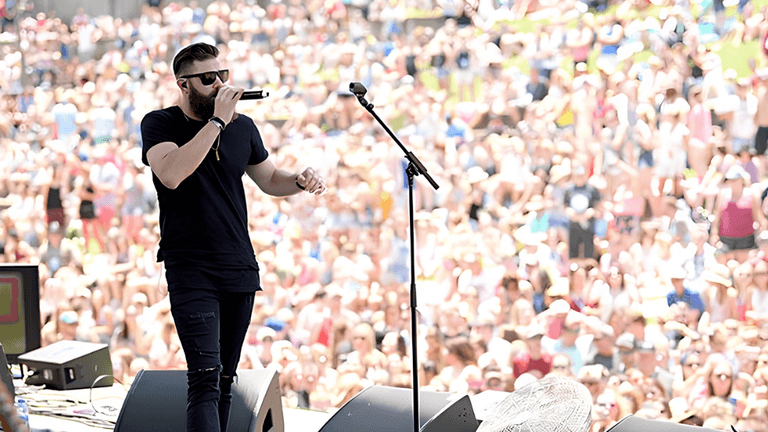
Country music artist Jordan Davis brought an unconventional concert format to Dallas on Thursday, taking part in a performance that allowed fans to influence elements of the show's setlist and presentation.
Davis headlined Red Bull Jukebox Texas at The Bomb Factory, with Danielle Bradbery and Sammy Arriaga also performing. The Dallas event marked the Texas debut of the fan-driven concert concept.
Unlike a traditional concert in which the artist determines the setlist in advance, the event was designed to give audience members a direct role in shaping portions of the performance.
Fans were able to vote on songs and other elements of the show, creating a format in which the night's musical program could be influenced by audience choices.
The concept reflects a broader trend in live music toward interactive experiences. Concerts have traditionally centered on the performer and a predetermined setlist, but newer formats increasingly attempt to involve audiences in decisions that affect the performance itself.
For Davis, the event provided an opportunity to present familiar country material in a less predictable environment. The singer has built a significant catalog during his career, giving fans multiple songs from which to choose.
The Dallas performance also brought together several country artists at different stages of their careers. Bradbery joined Davis as one of the evening's performers, while Arriaga also appeared on the bill.
The event was scheduled at The Bomb Factory, a major Dallas live-music venue with a long history of hosting touring performers. Event listings confirmed the August 20 performance and its Dallas location.
The fan-controlled structure was the central feature of the event. Rather than treating the audience solely as spectators, the format incorporated their preferences into the musical presentation.
That approach can create a different relationship between artist and audience. Performers must be prepared to adjust to choices made in real time, while fans receive a greater role in determining what they hear.
The format can also encourage deeper audience engagement because attendees have an incentive to participate in voting and follow the progression of the show.
For the music industry, interactive concerts represent another way artists and promoters can experiment with live entertainment. Touring remains an important part of musicians' careers, and new formats can provide alternatives to conventional concert structures.
The concept also demonstrates how technology can influence the live-music experience. Audience voting can be organized digitally, allowing large groups of fans to participate in decisions that once would have been left entirely to performers.
Davis's Dallas appearance was particularly notable because the event represented the Texas debut of Red Bull Jukebox. The organizers described the concert as a new type of live performance in which fans could influence what happened onstage.
The performance also arrived during a busy period for live music in Dallas, where multiple major artists and touring productions were scheduled throughout the summer.
For Davis, the event offered a chance to step outside a conventional touring format while still performing his established material. For the audience, the experience provided more direct participation in the show.
The significance of the concert extends beyond one evening in Dallas. Live music has increasingly incorporated digital tools, audience participation and immersive production techniques as artists and promoters look for new ways to connect performers with fans.
Interactive formats do not replace traditional concerts, but they can provide another option for artists seeking to create distinctive live experiences.
Jordan Davis's appearance at Red Bull Jukebox Texas therefore represented both a country music performance and an experiment in audience participation. By giving fans a greater role in determining the night's musical direction, the event placed the relationship between performer and audience at the center of the concert.
The Dallas performance demonstrated how live music can continue evolving while retaining the basic appeal that has always drawn audiences to concerts: hearing artists perform their music in person and sharing the experience with other fans.

Musicians Today Contributor
This article features partner, contributor, or branded content from a third party. Members of the Musicians Today editorial staff were not involved in the creation of this content. All views and opinions are those of the contributor alone.