
Las Vegas Schools Face Growing Demand for Mariachi Teachers as Student Music Programs Expand

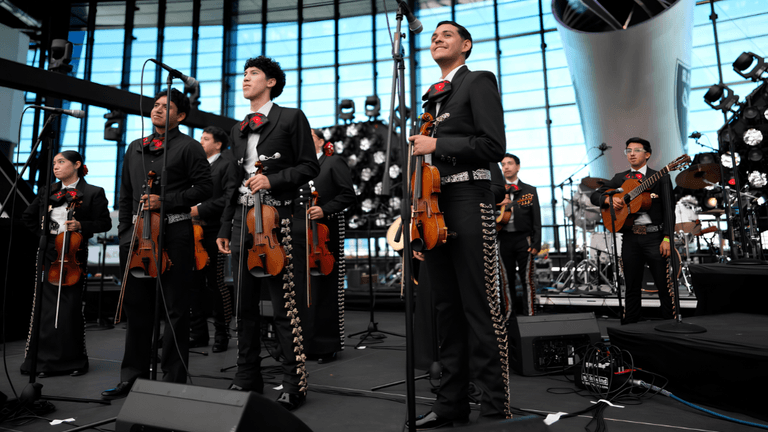
Las Vegas schools are expanding mariachi programs, but growing student interest is creating demand for qualified music teachers.
Demand for Instruction Grows
An Associated Press report published on October 8 examined the expansion of mariachi education in Las Vegas and the difficulties schools face in finding enough instructors to meet student interest.
Mariachi is a traditional Mexican musical form commonly associated with ensembles featuring violins, trumpets, guitars and the guitarrón. School programs teach students how to play these instruments, perform as a group and understand the musical traditions associated with the genre.
The growth of such programs reflects the place of mariachi within the region's cultural life. In Las Vegas, where Latino communities account for a substantial portion of the population, school instruction offers students a structured way to develop musical skills connected to a longstanding tradition.
However, increased participation requires more than student enthusiasm. Schools need qualified teachers, instruments, rehearsal spaces and consistent funding to maintain effective programs.
Why Mariachi Education Requires Specialized Skills
Mariachi ensembles bring together several instruments with different technical demands. Students must learn their individual parts while coordinating timing, dynamics and phrasing with the rest of the group.
Instructors need to understand the repertoire and performance conventions of the genre, as well as the teaching methods appropriate for students at different stages of development.
The challenge is not limited to recruiting professional performers. Classroom instruction requires educators who can translate musical knowledge into lessons, organize rehearsals and assess student progress.
A musician who performs effectively may still need additional training to teach beginners or manage a large school ensemble. Conversely, a music educator may need specialized experience with mariachi instruments and repertoire.
The availability of people with both sets of skills can influence how quickly schools expand their programs.
The Role of Music Programs in Schools
School music instruction provides students with opportunities to develop performance skills through regular practice and ensemble participation.
Mariachi programs also connect musical learning with cultural history. Students encounter a tradition that has developed through community performance, professional musicianship and intergenerational teaching.
For some students, the music may already be familiar through family gatherings or local events. For others, school instruction provides their first sustained experience with the genre.
Both groups can benefit from structured lessons, rehearsals and performances. Ensemble work requires listening, timing and coordination, while individual practice develops technical proficiency.
Public performances also give students opportunities to demonstrate their progress and connect with audiences outside the classroom.
Workforce Challenges for Music Education
The shortage of qualified mariachi teachers illustrates a wider challenge for specialized arts education. As a program grows, the need for instructors can outpace the supply of people prepared to teach it.
Schools may respond through partnerships with professional musicians, community organizations or higher-education institutions. Guest instruction and professional development can help supplement existing teaching capacity.
Long-term sustainability, however, depends on establishing a reliable instructional structure. Schools need to consider staffing, scheduling, instrument maintenance and funding rather than treating a program as a short-term activity.
The development of training opportunities may also help create a pathway for musicians interested in combining performance with education.
Community Partnerships and Performance Opportunities
Local music organizations and professional performers can contribute to school programs through workshops, mentoring and performance opportunities. These connections may expose students to different approaches to musicianship and demonstrate how traditional music operates beyond the classroom.
Community partnerships can also help schools identify potential instructors and access specialized expertise. They do not eliminate the need for regular teachers, but they can strengthen the educational environment around a program.
Performances at community events provide another link between students and local audiences. Such appearances can help maintain interest in the music while giving young musicians experience performing in different settings.
Preserving a Living Musical Tradition
Mariachi is not simply a historical subject. It remains an active performance tradition that develops through musicians, composers, educators and audiences.
School programs provide one way to pass musical knowledge to younger generations. Students learn instruments and repertoire while gaining experience participating in a collaborative art form.
The expansion of instruction in Las Vegas indicates that there is interest in making this tradition accessible through formal education. The challenge is ensuring that schools have enough qualified teachers and resources to meet that interest.
What the Industry Can Learn
The growth of mariachi education demonstrates how cultural demand can create practical workforce needs in the music sector. More students participating in a specialized genre require more instructors with the right combination of musical and educational experience.
For schools, community organizations and musicians, the priority is building sustainable pathways that connect instruction, performance and professional expertise.
The October 8 report highlights a local development with wider relevance to arts education: maintaining a musical tradition requires not only audiences and performers, but also the educators who help the next generation learn it.

Musicians Today Contributor
This article features partner, contributor, or branded content from a third party. Members of the Musicians Today editorial staff were not involved in the creation of this content. All views and opinions are those of the contributor alone.