
Lollapalooza 2026 Continues to Shape the Summer Music Scene with Major Performances and Industry Momentum

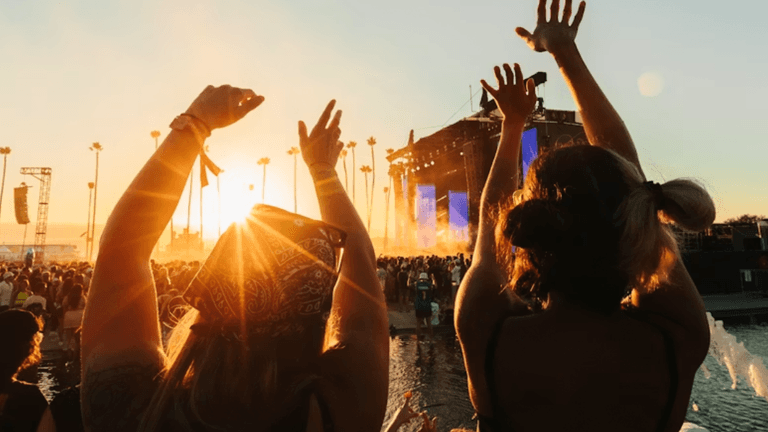
As one of the largest music festivals in the United States enters its final stretch, Lollapalooza 2026 continues to generate headlines across the music industry. On August 6, 2026, the Chicago-based festival remains a focal point for artists, record labels, concert promoters, and fans, with standout performances, surprise collaborations, and strong attendance reinforcing the event’s status as one of the year’s defining live music showcases.
Held annually in Grant Park, Lollapalooza has evolved from an alternative rock touring festival into a global music institution featuring artists from virtually every genre. The 2026 edition has once again brought together internationally recognized headliners alongside emerging talent, highlighting the diversity that now defines the modern music landscape.
This year’s lineup includes performances from some of the industry’s biggest names, drawing hundreds of thousands of attendees throughout the four-day event. Alongside established superstars, the festival continues its tradition of introducing rising performers to massive audiences, offering valuable exposure that can significantly influence an artist’s career trajectory.
One of the defining characteristics of Lollapalooza is its ability to showcase multiple genres on equal footing. Pop, hip-hop, rock, indie, electronic dance music, Latin music, country-influenced acts, and alternative artists all share the festival’s stages, reflecting the increasingly broad listening habits of today’s audiences.
Festival organizers have also emphasized the importance of creating a high-quality experience for fans both on-site and online. Selected performances have been streamed through official digital platforms, allowing viewers around the world to experience portions of the festival even if they are unable to travel to Chicago. Livestreams have become an increasingly valuable component of major music festivals, expanding the reach of artists while giving global audiences access to performances in real time.
For musicians, appearances at Lollapalooza often extend beyond a single concert. Festival weekends frequently become launchpads for new singles, upcoming albums, and future tour announcements. Artists also take advantage of the media attention surrounding the event by participating in interviews, promotional appearances, and collaborative performances that generate additional excitement among fans.
The festival’s influence extends well beyond live entertainment. Music executives, booking agencies, promoters, and media organizations closely monitor audience reactions, attendance trends, and social media engagement throughout the weekend. These insights help shape future touring strategies, festival bookings, and promotional campaigns across the industry.
Independent artists also benefit from the event’s broad exposure. Many performers appearing on smaller stages gain new listeners through word-of-mouth recommendations, livestream broadcasts, and social media clips that circulate during the festival. In recent years, viral festival performances have played an increasingly important role in helping emerging musicians reach wider audiences.
Another notable aspect of the 2026 festival is the continued integration of technology into the live music experience. Mobile apps provide updated schedules, stage information, interactive maps, and artist notifications, helping attendees navigate the expansive venue more efficiently. Meanwhile, digital content produced throughout the weekend extends the festival experience far beyond Grant Park through official highlights, interviews, and behind-the-scenes coverage.
The economic impact of Lollapalooza also remains significant. The annual festival brings substantial tourism to Chicago, supporting local hotels, restaurants, transportation services, and small businesses. Thousands of visitors travel from across the United States and abroad, making the event an important contributor to the city’s summer economy while strengthening Chicago’s reputation as a major destination for live music.
Environmental sustainability continues to be another priority for festival organizers. Recycling initiatives, water refill stations, waste reduction programs, and public transportation partnerships remain part of broader efforts to reduce the environmental footprint of large-scale live events. These initiatives reflect an industry-wide trend toward more sustainable festival operations.
As audiences continue embracing live music experiences following years of changing consumer habits, festivals such as Lollapalooza demonstrate the enduring appeal of large-scale communal performances. While streaming platforms dominate everyday music consumption, live festivals continue to provide experiences that cannot be replicated digitally, bringing together artists and fans in ways that strengthen the cultural impact of music.
The success of the 2026 edition also illustrates the resilience of the live entertainment industry. Strong ticket demand, diverse lineups, expanded digital coverage, and enthusiastic fan engagement all point toward continued momentum for major music festivals in the years ahead.
With memorable performances still unfolding and audiences eagerly following every announcement, Lollapalooza remains one of the most influential events on the American music calendar. For artists seeking career-defining moments and fans searching for unforgettable live experiences, the festival continues to embody the creativity, diversity, and energy that define today’s global music community.

Musicians Today Contributor
This article features partner, contributor, or branded content from a third party. Members of the Musicians Today editorial staff were not involved in the creation of this content. All views and opinions are those of the contributor alone.