
Super Bowl LVI Halftime Show Marks Historic Moment for Hip-Hop’s Mainstream Triumph

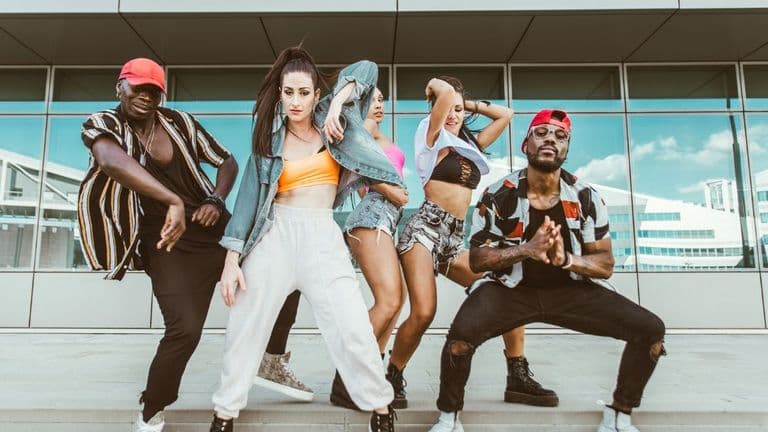
February 2022 – Los Angeles, CA – Super Bowl LVI’s halftime show delivered one of the most iconic moments in the history of the NFL, as it brought together some of hip-hop’s greatest stars for a performance that marked a milestone for the genre’s cultural impact. Dr. Dre, Snoop Dogg, Eminem, Mary J. Blige, and Kendrick Lamar took center stage at the SoFi Stadium, proving that hip-hop, once considered a rebellious outsider genre, had solidified its position at the very heart of American pop culture.
With a star-studded lineup and an electrifying performance, the show not only entertained millions of viewers but also served as a tribute to the evolution of hip-hop from underground roots to mainstream dominance. It was a poignant moment that showcased the incredible journey the genre has undergone over the decades, emphasizing its cultural significance.
A Historic Lineup: The Icons of Hip-Hop on Stage
The halftime show began with the familiar beats of Dr. Dre’s classic tracks, setting the tone for an unforgettable performance. Dre, one of the founding architects of West Coast hip-hop, orchestrated a performance that symbolized both his influence and the cultural shift in the music industry.
Joined by his long-time collaborator Snoop Dogg, the two West Coast legends immediately set the stage alight. Snoop’s laid-back, yet charismatic stage presence was a perfect contrast to Dre’s steady command of the crowd. Together, they kicked off the show with a powerful performance of “The Next Episode” and “Still D.R.E.,” two tracks that have become synonymous with the genre’s success.
Mary J. Blige, the Queen of Hip-Hop Soul, took the stage next, delivering a heartfelt rendition of “No More Drama.” Blige, whose powerful voice transcends genres, added an emotional depth to the performance, blending R&B and hip-hop in a way that has defined her entire career. Her presence underscored the deep connection between the two genres, both of which have played a pivotal role in shaping the cultural landscape of the last three decades.
As the performance unfolded, Eminem’s appearance brought the crowd to a frenzy. Known for his rapid-fire delivery and provocative lyrics, Eminem’s inclusion was a nod to the way hip-hop has expanded beyond its cultural boundaries. His performance of “Lose Yourself,” a track that solidified his place in mainstream music history, resonated with fans across the globe.
The grand finale featured Kendrick Lamar, whose politically charged lyrics and socially conscious messages have made him one of the most influential figures in contemporary hip-hop. Lamar performed “Alright,” a track that has become an anthem for empowerment and resistance, cementing his role as both an artist and a cultural icon.
The Significance of Hip-Hop’s Mainstream Triumph
This Super Bowl halftime show was not just a celebration of five hip-hop legends. It was a statement: hip-hop, once dismissed as a passing trend or rebellious counterculture, is now fully integrated into the fabric of mainstream American music and culture. The show served as an acknowledgment of hip-hop’s profound influence, particularly within a diverse, multicultural American landscape.
Hip-hop’s rise to mainstream acceptance has been a long and tumultuous journey. In its early days, the genre was dismissed by critics who questioned its legitimacy and feared it would not stand the test of time. Over the years, hip-hop has evolved, with various artists pushing the boundaries of both music and social discourse. In doing so, it has become a central force in global popular culture, influencing everything from fashion and language to politics and business.
The Super Bowl LVI performance symbolized the genre’s ascension to the highest echelons of American entertainment, with hip-hop becoming the dominant force in music and culture. Not only did it mark a milestone in terms of the artists who took the stage, but it also underscored the transformative impact of the genre on global audiences.
The Legacy of the 2022 Super Bowl Halftime Show
Looking back at Super Bowl LVI, it’s clear that the halftime show was a turning point for hip-hop’s cultural legacy. The presence of such esteemed artists on the biggest stage in American sports was a long-overdue recognition of their contributions to shaping popular music.
For fans of hip-hop, this moment represented a collective celebration of the genre’s journey, but it also served as a reminder of how far it has come. What was once an underground movement is now not only accepted but revered. The performance was a testament to the resilience of the genre and its ability to adapt and thrive despite initial pushback.
The inclusion of hip-hop icons at the Super Bowl also carries implications for future performances. Will the next halftime shows include more diverse genres, particularly those that reflect the changing cultural dynamics of America? Will other artists from marginalized communities be given the same mainstream platform? The success of this show may well signal a shift toward even greater diversity in the years to come.
A Cultural Revolution in Real-Time
As hip-hop continues to evolve, its presence at the Super Bowl stage provides a powerful symbol of the genre’s ability to bring people together across generations, races, and backgrounds. This performance was not only about entertainment but also about breaking barriers and reflecting the reality of modern American culture.

Musicians Today Contributor
This article features partner, contributor, or branded content from a third party. Members of the Musicians Today editorial staff were not involved in the creation of this content. All views and opinions are those of the contributor alone.