


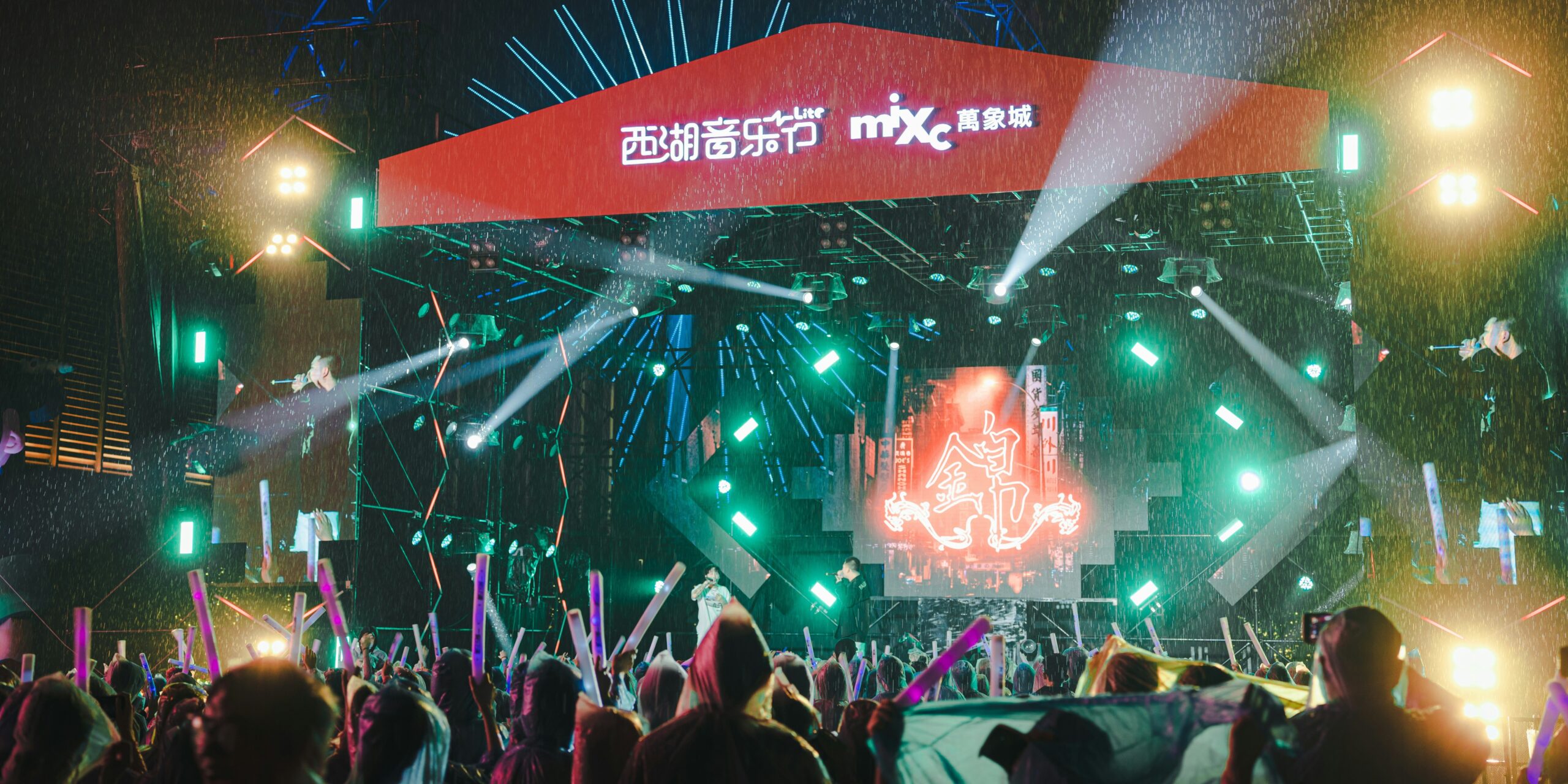
As the curtain rose on 2026, cities across the United States echoed with the sound of music, marking the arrival of a new year with a vibrant calendar of festivals that spanned coasts, genres, and generations. This January has proven that winter is no longer an off-season for live music. From the streets of San Francisco to the clubs of Chicago and beyond, thousands of fans rang in the new year by gathering for shared, in-person musical experiences, reinforcing the growing cultural and economic momentum behind early-season festivals.
The new year kicked off with high-profile events on January 1, including the beloved It’s A New Day + Breakfast Of Champions block party in San Francisco, which transformed city streets into a massive, community-focused celebration. Simultaneously, Chicago hosted the DayOne festival, bringing together local talent and touring acts in a spirited welcome to 2026. These events set the tone for a month of live performances that prioritize inclusion, energy, and the joy of connection through music.
The festival calendar for January 2026 is more expansive than ever, covering an array of genres and musical experiences. From multi-day destination events to local showcases, the lineup is a testament to both the demand for live entertainment and the adaptability of artists and promoters. Colorado’s MusicFest in Steamboat Springs, running from January 5 through January 10, continues to blend outdoor adventure with top-tier performances. In Austin, Texas, Free Week kicks off in early January with dozens of venues opening their doors for no-cost shows featuring emerging artists. In New York City, globalFEST returns mid-month, spotlighting music from around the world and drawing attendees eager to explore new sounds and cultures.
This expansion of the festival season into January reflects several broader trends shaping the live music industry. First, there is a strong, sustained appetite among audiences for communal experiences following several years of pandemic-related disruptions. People are more eager than ever to gather in person, to feel the bass reverberate through their bodies, and to sing along with strangers who become temporary companions in rhythm. These events offer more than entertainment—they provide moments of shared humanity in an increasingly digital and often isolating world.
For artists, the timing of these early-year festivals is critical. The beginning of the year is typically a quieter period for touring, which makes January festivals valuable platforms for exposure. Established performers use them to debut new material or test audience responses to evolving sounds, while up-and-coming artists gain access to crowds they might not otherwise reach. Many festivals now prioritize diverse, inclusive lineups and intentionally spotlight underrepresented voices, making them springboards for fresh talent and innovative artistry.
Cities that host these events benefit significantly as well. Festivals generate revenue through ticket sales, hospitality bookings, local partnerships, and increased foot traffic in entertainment districts. Municipal leaders are increasingly supporting music events as part of urban revitalization and cultural tourism strategies. By investing in early-year festivals, cities position themselves as creative destinations even in the coldest months, drawing visitors who contribute to local economies while participating in enriching cultural moments.
The January festival surge also signals a transformation in how live events are conceptualized. No longer limited to single-day concerts or massive summer gatherings, modern festivals often feature multi-sensory experiences. These include interactive art installations, food and craft vendors, wellness zones, and themed environments designed to engage all five senses. Such immersive elements are redefining what it means to attend a music festival, making each one a curated cultural experience that blends performance with personal exploration.
Despite the challenges posed by weather and logistical coordination during the winter months, organizers are meeting the moment with creativity and commitment. Heated outdoor spaces, strategic indoor venues, and hybrid indoor-outdoor formats have helped maintain comfort and safety while preserving the excitement of live performance. Production teams have become more adept at adapting to these conditions, ensuring that fans receive the same quality of experience they would expect in peak festival season.
Social media continues to play a powerful role in amplifying the impact of these events. From promotional campaigns to post-performance highlights, platforms like Instagram, TikTok, and X (formerly Twitter) serve as both marketing tools and digital scrapbooks for attendees. Fans share photos, videos, and reflections that help extend the life of the festival far beyond the event itself, turning local experiences into global conversations and fueling anticipation for future editions.
As January 2026 progresses, the volume and variety of live music offerings across the country confirm that the American music festival landscape is more dynamic than ever. What was once a seasonal niche has become a vital, year-round movement driven by artists, audiences, and cities that recognize the value of culture, creativity, and connection.
Whether dancing at sunrise in California, discovering new genres in New York, or exploring local scenes in Austin or Chicago, thousands of people are entering the new year not just with resolutions, but with rhythms that inspire joy and togetherness. The January music festival calendar is a clear signal that live music culture is not only back—it’s evolving, thriving, and setting the tempo for the year ahead.
Source: Aggregated reporting on January 2026 U.S. music festivals