


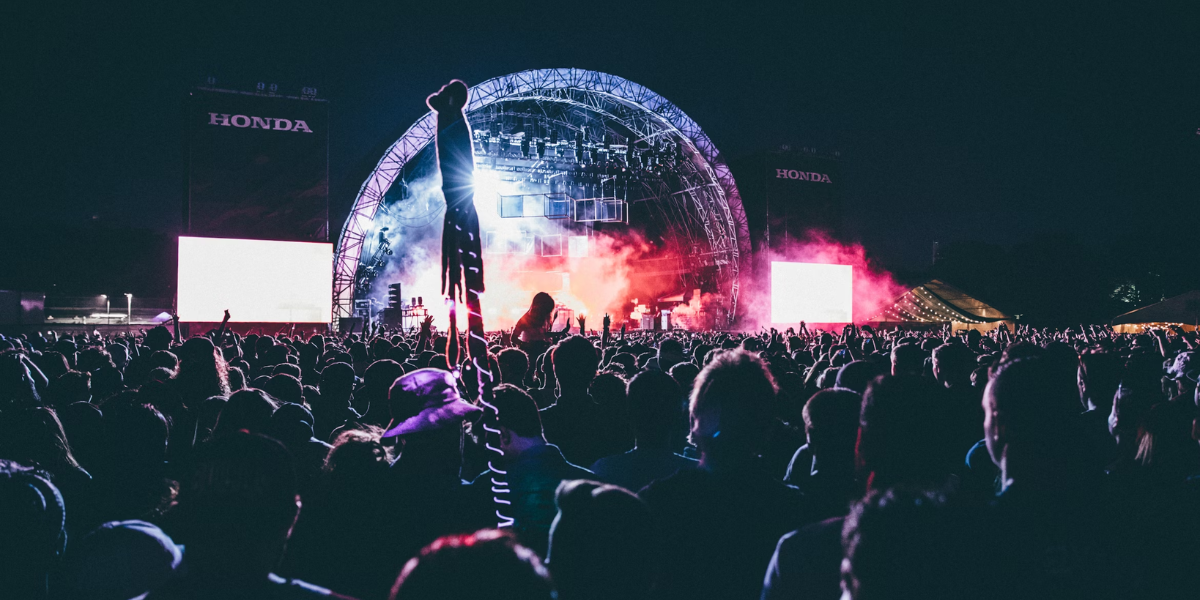
The global music community is experiencing a dynamic start to 2026, marked by a surge in artist collaborations, a steady flow of new releases, and renewed momentum in live touring. As audiences continue to re-engage with both digital and in-person music experiences, industry professionals are observing a period of growth and transformation that is shaping how music is created, distributed, and consumed.
One of the most notable developments in recent weeks has been the rise in cross-genre and cross-border collaborations. Artists from different regions and musical backgrounds are increasingly working together, blending styles such as pop, hip-hop, electronic, and regional sounds into innovative releases. Global music consumption continues to diversify, with streaming platforms playing a central role in exposing listeners to international artists and genres.
April 2026 has seen a consistent wave of album and single releases from both established artists and emerging talent. Major streaming platforms have reported increased user engagement tied to new music drops, particularly when artists incorporate multimedia elements such as music videos, live sessions, and interactive fan content.
Streaming remains the dominant format in the United States, influencing how artists plan and release their music. Many are timing launches around key cultural moments, including festivals and tour announcements, to maximize reach and visibility. In addition to traditional albums, shorter formats such as EPs and standalone singles are gaining traction, reflecting evolving listener preferences for more frequent content.
Live music has also re-emerged as a major driver of industry growth. Promoters and venues across the country are reporting strong ticket sales for both large-scale tours and smaller, community-focused performances. This resurgence signals renewed confidence among fans and highlights the enduring appeal of live experiences.
Tour announcements have become key milestones in the music cycle, often paired with digital campaigns that build anticipation and engagement. Independent artists, in particular, are leveraging local tours and pop-up performances to connect directly with audiences and build loyal fan bases.
Festivals continue to play a significant role in shaping the music landscape. They provide a platform for artists at all stages of their careers while influencing broader trends in performance, production, and audience interaction. These events also serve as important networking spaces for industry professionals.
Another defining trend in 2026 is the growing accessibility of digital tools for independent artists. Platforms for music distribution, promotion, and fan engagement have made it easier than ever for creators to release music and reach global audiences without traditional label support.
Streaming services and social media platforms are central to this shift, offering discovery tools and direct communication channels between artists and fans. Educational resources and online communities are also expanding, helping musicians navigate areas such as production, branding, and audience growth.
Several key trends are shaping the music community this year. Collaboration remains a major driver of innovation, while the balance between digital and live experiences continues to evolve. Authenticity and direct fan engagement are increasingly important, influencing both creative output and marketing strategies.
Sustainability and inclusivity are also gaining attention, with more artists and organizations exploring ways to reduce environmental impact and promote diverse representation within the industry.
For artists, the current landscape offers significant opportunities to grow and connect with audiences, though competition remains high. Success often depends on consistency, strategic planning, and a clear artistic identity.
For fans, the benefits include access to a wider variety of music, more live events, and deeper engagement with the artists they follow. As technology and creativity continue to intersect, the music experience is becoming more interactive and accessible.
As 2026 unfolds, the global music community is expected to maintain this momentum. With continued innovation and collaboration, the industry is evolving in ways that strengthen connections between artists and audiences while opening new pathways for creative expression.