
Why Today’s Piano Buyers Are Looking Beyond Brand Names


Modern piano buyers are comparing touch, tone, construction, and performance instead of relying only on familiar brand names.
A pianist enters a showroom expecting to recognize the right instrument immediately. Familiar names line the walls, polished finishes reflect the light, and every piano appears impressive from a distance. Then the pianist begins to play.
One instrument responds easily beneath the fingers, while another feels heavier. One produces a clear and balanced tone, while another sounds warmer and more resonant. Within minutes, the name on the instrument becomes only one part of the decision.
For decades, piano buying often began with reputation. Customers recognized an established manufacturer, trusted its history, and selected an instrument based largely on familiarity. Today, buyers have access to reviews, demonstrations, technical explanations, teacher recommendations, and side-by-side comparisons.
This information is encouraging more people to focus on a personal question: Which piano best supports the way they want to play?
Modern Piano Buyers Are Studying the Instrument
Two pianos within a similar price range can provide noticeably different playing experiences. Their appearance may be comparable, but their materials, construction methods, action systems, and tonal qualities can vary.
Buyers are increasingly learning about details such as action design, soundboard construction, key response, scale design, and tonal balance. These elements may influence how an instrument responds, how long notes sustain, and how easily a player can control musical expression.
Some piano actions rely primarily on traditional wooden components, while others incorporate engineered materials. Soundboard design, hammer preparation, string configuration, and cabinet construction may also contribute to the character of an instrument.
Technical specifications can help buyers understand these differences, but they do not always communicate how a piano will feel in practice. The distinctions often become clearer when several instruments are played in the same environment.
Why Touch Can Shape Long-Term Satisfaction
Many first-time buyers initially focus on sound. Tone remains an important consideration, but pianists, teachers, and technicians may also pay close attention to touch.
A piano’s action is the mechanical system that transfers movement from the keys to the hammers. It affects how the keys respond and how much control a player has over timing, volume, articulation, and expression.
A responsive action may help a pianist manage quiet passages, repeated notes, and gradual changes in volume. However, touch remains highly personal.
Some players prefer a lighter response, while others feel more comfortable with greater resistance. A beginner may benefit from an instrument that supports consistent practice, while an experienced pianist may place greater importance on repetition and dynamic control.
There is no single action design that will suit every player. The most appropriate choice is often the instrument that feels comfortable, predictable, and manageable during an extended playing session.
Side-by-Side Comparisons Reveal Important Differences
Online research can help buyers compare prices, understand specifications, and create a shortlist. However, a written description or recorded demonstration cannot fully communicate the physical response of an acoustic piano.
Playing several instruments side by side allows shoppers to compare key weight, tonal clarity, bass response, treble character, and balance across the keyboard under similar conditions.
Using the same musical passage on each instrument can make those differences easier to identify. Even scales, chords, repeated notes, and short familiar pieces can help a buyer evaluate how an action responds and how the tone changes across different registers.
Buyers researching commonly compared upright models can review Worldwide Piano’s Yamaha U1 and Kawai K300 comparison, which discusses distinctions in construction, action design, tone, and playing experience.
The room itself can also influence how a piano sounds. Comparing instruments in one showroom may therefore provide a clearer perspective than listening to recordings made in different locations with different microphones.
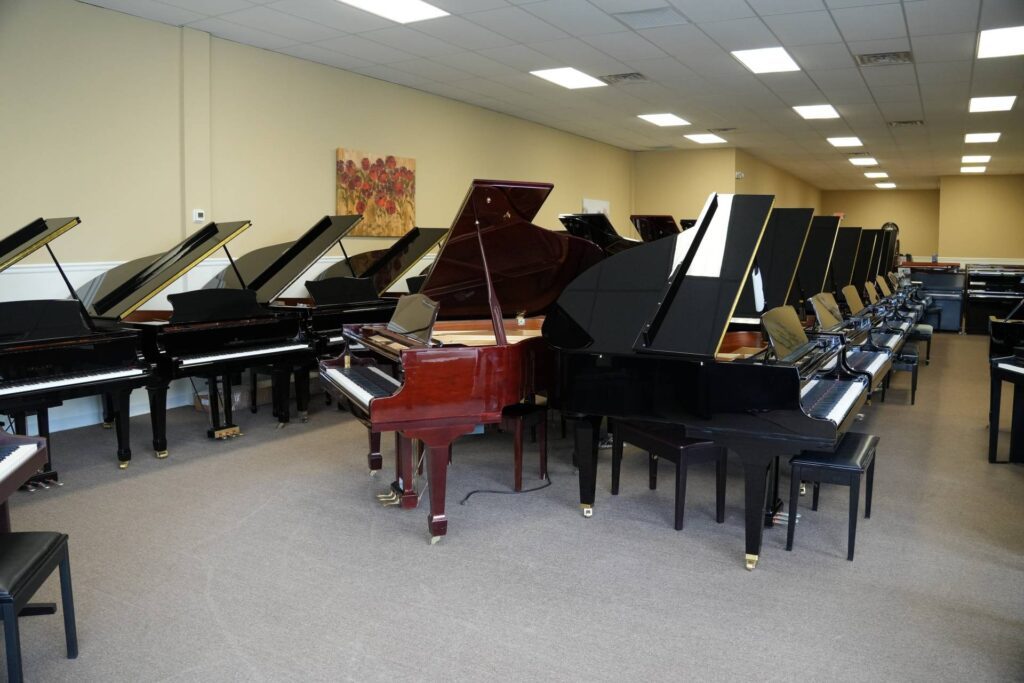
A direct comparison may challenge a buyer’s original assumptions. Someone who begins the process focused on one manufacturer may find that another instrument feels better suited to their hands, available space, experience level, or musical preferences.
Different Buyers Have Different Priorities
The idea of a universally “best” piano can be misleading because buyers often have different needs.
A family purchasing its first instrument may prioritize durability, consistency, available space, and overall value. A music student may need an action that supports developing technique. An advanced player may focus on tonal color, repetition, and expressive control.
Homeowners may also consider how an instrument’s sound will carry through a room. A piano that performs well in a large showroom may sound different when placed in a smaller living area.
Maintenance, warranty coverage, instrument size, and long-term use may also influence the final decision. Understanding these priorities can help buyers ask more useful questions instead of relying entirely on brand recognition or marketing language.
Education Is Changing the Buying Process
As more information becomes available, piano shoppers are becoming more involved in the evaluation process.
They may ask how an action is constructed, how an instrument performs at softer volumes, and whether the tone remains balanced across the keyboard. They may also compare upright, grand, digital, and hybrid instruments based on their practical needs.
Educational resources from piano retailers, teachers, technicians, and manufacturers can help consumers understand basic terminology and prepare for an in-person comparison. Worldwide Piano’s piano information resources include articles about instrument types, model differences, design considerations, and factors that may influence a purchase.
These resources can serve as a starting point, but the final evaluation remains personal. Buyers still need to consider how an instrument responds to their playing style and how it may function within their home, studio, or practice space.
Finding the Right Instrument
A piano is more than a recognizable name on the fallboard. It may become part of daily practice, family life, creative development, and musical expression for many years.
Strong buying decisions often combine research with careful listening and hands-on comparison. Exploring different actions, tones, sizes, and construction approaches can help buyers understand what they value most in an instrument.
Readers interested in learning more about acoustic, digital, hybrid, upright, and grand pianos can explore the educational materials available through the Worldwide Piano website.

Musicians Today Contributor
This article features partner, contributor, or branded content from a third party. Members of the Musicians Today editorial staff were not involved in the creation of this content. All views and opinions are those of the contributor alone.