
Coachella 2026 Concludes With Star Power, Surprise Sets, and a Strong Finish for U.S. Live Music

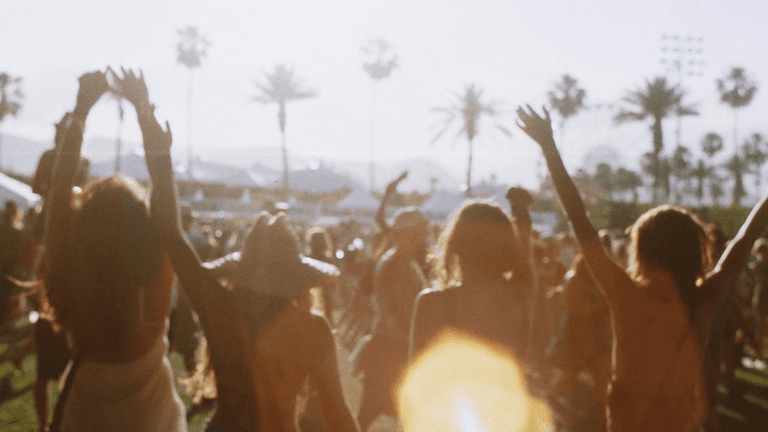
One of the biggest entertainment events in the United States this week reached its conclusion as the 2026 Coachella Valley Music and Arts Festival wrapped up in Indio, California. Held across two weekends from April 10 to April 19 at the Empire Polo Club, the annual festival once again drew global attention for its blend of headline performances, surprise collaborations, and trend-setting moments across pop, rock, hip-hop, electronic, and Latin music. The final day’s momentum continued into April 20 as fans, artists, and the music industry reflected on one of the year’s most talked-about live events.
Now in its 25th edition, Coachella remains one of the most influential music festivals in the United States. Beyond ticket sales and tourism, the event often shapes music conversations for months afterward, helping launch tours, boost streaming numbers, and spotlight both established stars and rising acts. This year’s festival featured a lineup led by Sabrina Carpenter, Justin Bieber, and Karol G, with additional appearances from artists spanning multiple genres and generations.
Among the most discussed performances of the closing weekend was Justin Bieber’s headline set. Reports described the performance as a crowd-pleasing mix of newer material and fan favorites from earlier in his career. The show also featured surprise guests including SZA, Billie Eilish, Big Sean, and others, creating one of the weekend’s most replayed moments online. Industry observers noted that the set demonstrated how major artists are increasingly using festivals as full-scale showcase events rather than standard concert appearances.
Another standout theme of Coachella 2026 was the growing role of surprise collaborations. Fans attended expecting the unexpected, and artists responded. Lisa joined Anyma during the festival for a live performance of their recent collaboration “Bad Angel,” combining electronic production with global pop star appeal. The appearance quickly gained traction on social media, showing how cross-genre partnerships continue to define the modern music landscape.
Pop culture crossover moments also remained central to Coachella’s identity. Olivia Rodrigo made headlines during a surprise guest appearance in Addison Rae’s set, where she performed newly released music in front of a festival audience. These moments are significant because they turn festival stages into launchpads for fresh material, allowing artists to debut songs directly to highly engaged fans and global livestream viewers.
For the music business, Coachella’s importance extends beyond performances. Festival appearances often create measurable boosts in streaming activity, merchandise demand, and future ticket interest. Artists use the event to test new production concepts, introduce collaborations, and reconnect with audiences ahead of summer touring season. With large-scale live entertainment continuing to rebound strongly, Coachella 2026 reinforced the resilience of the U.S. concert market and the premium value of destination festivals.
The event also showcased the increasingly international nature of American music festivals. Karol G’s headlining presence represented the continued commercial strength of Latin music in the U.S., while artists from Asia, Europe, and Latin America appeared throughout the lineup. This reflects broader audience habits, where streaming platforms have made multilingual and cross-border hits part of everyday listening. Coachella’s programming has increasingly mirrored that reality, giving fans a more global experience while remaining rooted in the U.S. live entertainment market.
Another key takeaway from this year’s festival was the strength of nostalgia mixed with reinvention. Bieber revisited early hits, veteran acts shared billing with newer stars, and classic festival energy was paired with modern staging and livestream integration. That balance matters commercially. Younger fans discover legacy artists, while longtime listeners stay connected through updated performances and collaborations.
For local communities, events like Coachella also bring major economic activity through hotels, restaurants, transportation, retail spending, and seasonal employment. While exact 2026 figures are still emerging, the festival has historically generated significant tourism value for Southern California each year.
As the final crowds departed and online highlights continued circulating today, Coachella 2026 closed as more than just a festival. It served as a snapshot of where popular music stands right now: global, collaborative, visually ambitious, and driven by live experiences that resonate far beyond the venue.
For artists, labels, promoters, and fans alike, the message from this year’s event was clear. Live music remains one of the strongest forces in entertainment, and the United States continues to host some of the world’s most influential stages. With Coachella now complete, attention shifts to the summer festival season, but many of this weekend’s performances are likely to shape charts, tours, and conversations long after the desert lights have gone dark.

Musicians Today Contributor
This article features partner, contributor, or branded content from a third party. Members of the Musicians Today editorial staff were not involved in the creation of this content. All views and opinions are those of the contributor alone.