U.S. Music Industry Highlights April 16, 2026: New Releases, Touring Trends, and Artist-Led Innovation Shape the Landscape

April 16, 2026, marked a significant day in the U.S. music scene, with a wave of high-profile album releases, tour announcements, and artist-driven initiatives underscoring the evolving dynamics of the industry. As artists and labels continue to adapt to shifting listener behaviors and digital consumption patterns, the day’s developments offered a clear snapshot of how music culture is being shaped in real time.
One of the most notable aspects of the day was the release of several anticipated albums across multiple genres. Spring release cycles have become increasingly competitive, with artists strategically timing their projects to align with festival appearances and touring schedules. This coordinated approach allows musicians to maximize exposure, combining live performances with streaming momentum. Industry analysts note that album launches tied to major events often see measurable boosts in first-week streaming numbers and chart performance.
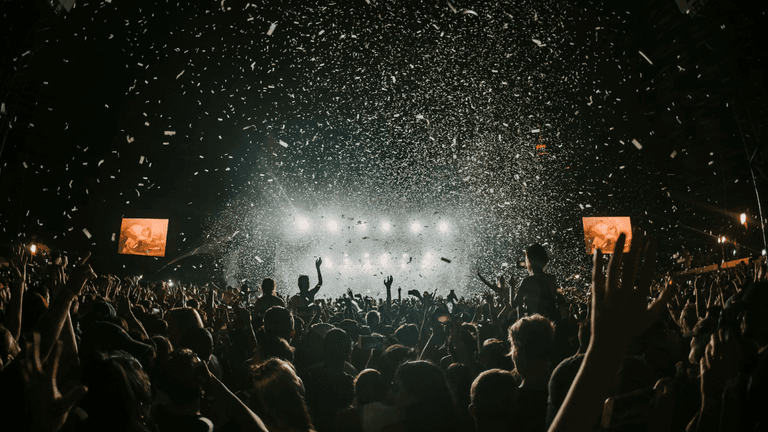
In addition to new music, April 16 saw a series of major tour announcements from both established and emerging artists. The live music sector continues to show strong growth, reflecting a sustained resurgence in audience demand. Recent industry data indicates that global concert revenues reached record levels in the past year and are expected to maintain that trajectory. For artists, touring remains one of the most reliable revenue streams, while for fans, it represents a key avenue for connecting with music in a more immersive way.
A parallel trend gaining momentum is the rise of artist-led business ventures. On April 16, several performers announced new partnerships involving merchandise lines, independent labels, and direct-to-fan platforms. Artists are increasingly taking control of their creative and commercial output, leveraging digital tools to build sustainable careers outside traditional industry structures. This shift reflects broader changes in how music is produced, distributed, and monetized.
Streaming platforms also played a central role in the day’s developments. Curated playlists and algorithm-driven recommendations continue to influence how audiences discover new music. Editorial playlists remain a powerful driver of exposure, particularly for emerging artists seeking to break into mainstream audiences. Meanwhile, platform data shows that listeners are engaging with a wider range of genres than ever before, contributing to the rise of genre-blending and experimental sounds.
Another key highlight on April 16 was the growing importance of global collaboration. U.S.-based artists increasingly worked with international counterparts, resulting in cross-cultural releases that appeal to diverse audiences. Streaming services have effectively removed geographic barriers, allowing music to travel more freely across markets. This trend has contributed to the global success of multilingual tracks and genre-fusion projects, which are becoming more common in mainstream charts.
The role of social media in shaping music culture was also evident. Short-form video platforms continue to influence which songs gain traction, often turning lesser-known tracks into viral hits. A significant number of charting songs in recent years have experienced viral growth online before achieving commercial success. This dynamic has changed how artists promote their work, with many prioritizing digital engagement strategies alongside traditional marketing efforts.
Beyond commercial developments, April 16 highlighted the continued emphasis on artist development and education. Music organizations and industry groups announced new initiatives aimed at supporting independent musicians, including workshops on songwriting, production, and digital marketing. These programs reflect a growing recognition of the need to equip artists with practical skills in an increasingly competitive environment.
Culturally, the day’s events reinforced music’s role as a reflection of broader creative trends. From genre experimentation to collaborative storytelling, artists are using their platforms to explore new ideas and connect with audiences on a deeper level. This creative evolution is mirrored in the diversity of releases and performances seen across the industry.
Key takeaways from April 16, 2026, point to several defining trends. The integration of live performance and digital strategy continues to shape how music is released and consumed. Artist independence and entrepreneurship are becoming central to career development. Global collaboration and genre fluidity are expanding the boundaries of mainstream music. And finally, fan engagement, driven by both live experiences and online interaction, remains at the heart of the industry’s growth.
For readers and music enthusiasts, these developments offer valuable insight into where the industry is heading. As technology, creativity, and business models continue to intersect, the modern music landscape is becoming more dynamic and accessible than ever before. April 16 serves as a clear example of how a single day in music can reflect broader shifts that influence artists, fans, and the global community alike.

Musicians Today Contributor
This article features partner, contributor, or branded content from a third party. Members of the Musicians Today editorial staff were not involved in the creation of this content. All views and opinions are those of the contributor alone.