


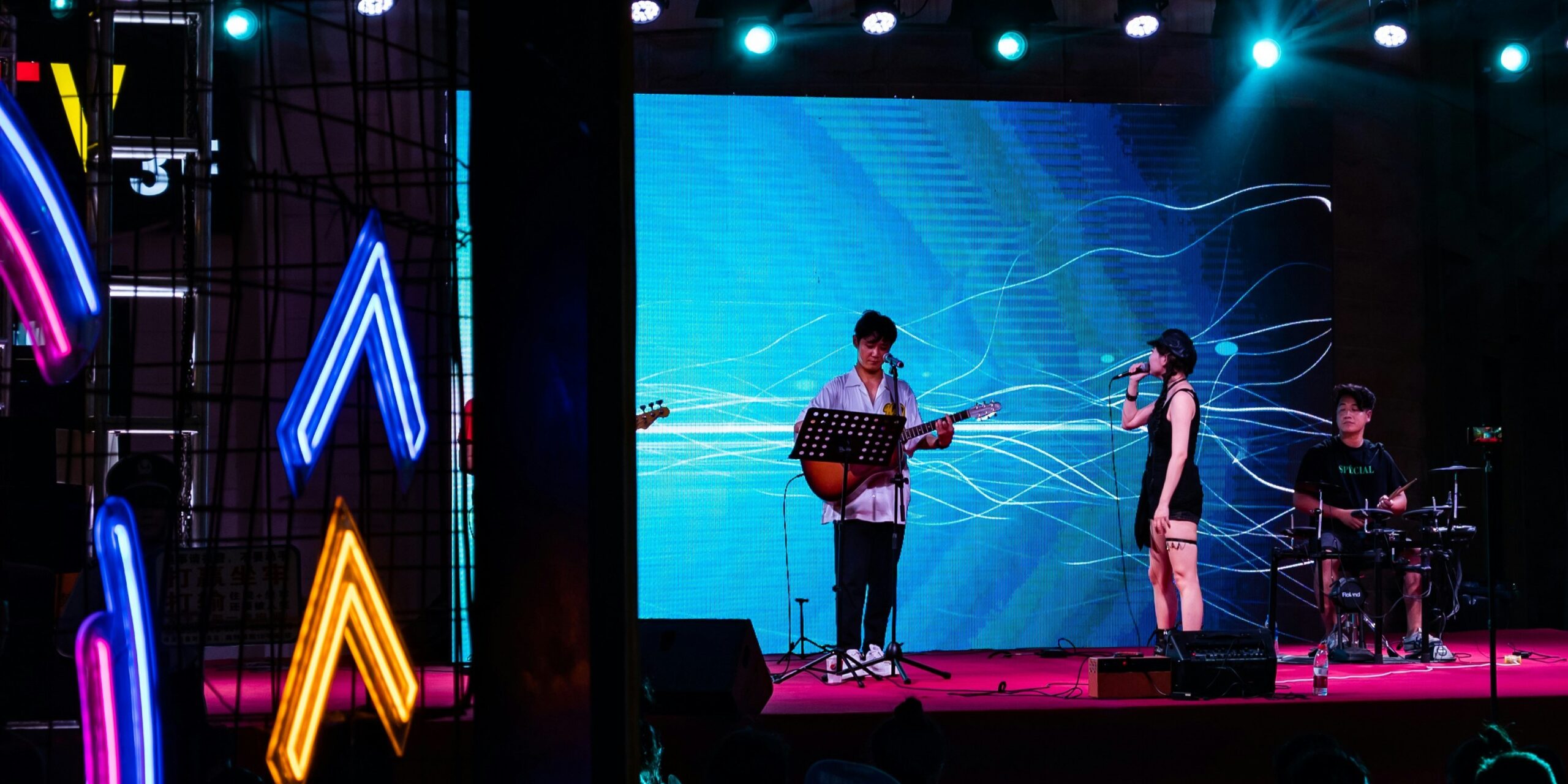
As the music industry turns its attention to Los Angeles at the end of January, Grammy Week 2026 is unfolding with a broader slate of programming designed to extend the cultural and professional impact of the awards beyond a single night. Beginning January 28, the Recording Academy launched an expanded schedule of events that will run through January 31, anchoring several days of performances, discussions, and artist showcases ahead of the 68th Annual Grammy Awards on February 1. The expansion reflects a growing effort by the Academy to deepen engagement with artists, industry professionals, and fans during one of music’s most visible weeks of the year.
At the center of the expanded programming is Grammy House, a multi-day hub that blends live music with conversations about creativity, innovation, and the evolving business of music. Long positioned as a space for emerging talent and industry dialogue, Grammy House has grown in scale and scope for 2026, offering more opportunities for artists to perform and connect while giving attendees access to behind-the-scenes perspectives on how music careers are built and sustained. The four-day format marks a notable evolution from previous years, signaling the Academy’s intent to make Grammy Week a more immersive experience.
The lineup of participating artists spans genres and generations, underscoring the Academy’s emphasis on diversity and cross-genre collaboration. Performers and speakers scheduled throughout the week include established names alongside rising voices, creating a program that reflects the current music landscape rather than focusing solely on chart performance or award nominations. By pairing performances with panels and curated conversations, Grammy House aims to highlight not just the music itself, but the ideas, influences, and challenges shaping today’s industry.
Industry discussions during Grammy Week are expected to focus on topics that have gained urgency over the past year, including the role of artificial intelligence in music creation, evolving revenue models for artists, and the growing importance of global audiences. Panels are structured to bring together artists, producers, executives, and technologists, offering a range of perspectives on how the industry is adapting to rapid technological and cultural change. For many attendees, these conversations provide practical insights as well as a sense of where music is headed in 2026 and beyond.
The expanded programming also reflects the Recording Academy’s broader mission to support artists at all stages of their careers. In recent years, the organization has faced increased scrutiny over representation, transparency, and relevance in a fast-changing industry. Initiatives like an expanded Grammy Week are part of an ongoing effort to demonstrate that the Academy’s role extends beyond awarding trophies to fostering education, community, and opportunity. By spotlighting emerging artists and underrepresented voices, the Academy is seeking to reinforce its connection to the creative ecosystem it represents.
Los Angeles plays a central role in the week’s activities, reinforcing its status as a global hub for music, entertainment, and media. Grammy Week events contribute to the city’s cultural calendar, drawing industry professionals from around the world and generating economic activity across venues, hotels, and creative spaces. For the city’s music community, the concentration of events offers rare access to decision-makers, collaborators, and audiences in a condensed time frame.
As Grammy Week builds toward the awards ceremony at Crypto.com Arena, the expanded schedule helps sustain momentum and public interest in the Grammys themselves. Rather than treating the ceremony as a standalone event, the Academy is positioning it as the culmination of a weeklong celebration of music and creativity. This approach aligns with broader trends in entertainment, where festivals, conferences, and multi-day experiences are increasingly favored over single-night spectacles.
For artists, particularly those early in their careers, Grammy Week represents more than prestige. Showcases and networking events can lead to collaborations, touring opportunities, and industry visibility that extend well beyond awards season. For established artists, the week offers a platform to engage with peers, experiment with new formats, and contribute to conversations about the future of music. The expanded programming allows both groups to coexist within the same space, reinforcing the idea that the industry’s strength lies in its range of voices and experiences.
As the 68th Annual Grammy Awards approach, Grammy Week 2026 stands as a reflection of how the music industry continues to evolve. By expanding its programming and broadening its focus, the Recording Academy is attempting to meet the moment, acknowledging that recognition, community, and dialogue are as important as the awards themselves. Whether through performances, panels, or informal exchanges, the week’s events are shaping a more connected and forward-looking vision of what the Grammys represent in a changing cultural landscape.