


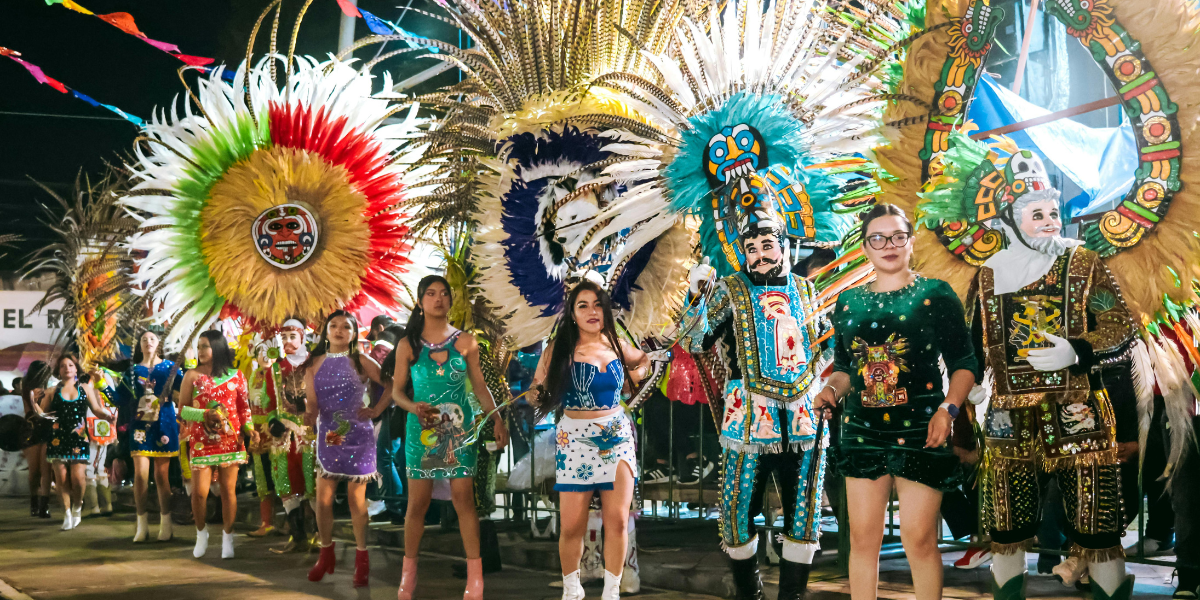
The global music community entered the second half of April 2026 with renewed momentum as touring activity, major releases, and festival attendance continued to accelerate across North America, Europe, Asia, and Latin America. After several years of transformation in how artists connect with audiences, the current landscape shows a strong mix of live performance demand, digital fan engagement, and expanding international opportunities for both established stars and emerging acts.
One of the clearest signs of strength has been the start of the spring and summer festival calendar. In the United States, Coachella’s second weekend drew worldwide attention with headline performances from major pop and genre-crossing artists, while livestream coverage extended the event’s reach to global audiences. Large-scale festivals remain critical business engines because they generate ticket revenue, sponsorship visibility, streaming boosts, and cultural conversation in a compressed time frame.
Europe is also preparing for one of its busiest live seasons in recent years. Organizers of festivals including Glastonbury, Primavera Sound, and Tomorrowland have continued rolling out updated artist schedules and logistics plans ahead of summer events. These festivals often influence touring routes for artists planning multi-country runs, making Europe a central region for revenue growth and audience expansion.
Meanwhile, Latin music continues its global rise. Streaming platforms and international tour data have shown sustained growth for Spanish-language music over the last several years, with artists from Colombia, Puerto Rico, Mexico, and Argentina drawing large crowds well beyond their home markets. High-profile festival appearances and arena tours in the United States and Europe have helped solidify Latin music as a core part of the mainstream global industry rather than a niche category.
K-pop remains another major international force in 2026. Large agencies and independent Korean labels alike continue releasing multilingual content and expanding tour footprints into Southeast Asia, North America, and Europe. The genre’s disciplined release schedules, visual branding, and strong fan communities have created a model that many global entertainment companies study closely. Merchandise sales, livestream concerts, and fan-club memberships also continue to diversify revenue beyond traditional album sales.
New releases have also shaped the current conversation. April is traditionally an active month for album launches ahead of summer touring, and several artists across pop, hip-hop, electronic, and indie genres have timed releases to coincide with festival season. This strategy allows performers to debut fresh material on stage while directing fans toward streaming platforms. For labels and managers, synchronized releases and live appearances can create stronger chart performance than standalone launches.
Independent artists are benefiting from improved access to global audiences as well. Distribution platforms now allow musicians to release tracks worldwide quickly, while short-form video platforms continue helping unknown acts break through. A viral song clip can lead to playlist placements, press coverage, and booking inquiries in multiple territories. Although competition remains intense, the barriers to reaching listeners are lower than in previous decades.
The current environment also highlights changing fan expectations. Audiences increasingly value experiences beyond the music itself, including visual stage production, exclusive merchandise, fan meetups, and behind-the-scenes digital content. Artists who communicate consistently through social media, newsletters, and community platforms often maintain stronger fan loyalty between releases. In practical terms, musicians are now expected to think like both creators and media brands.
For industry professionals, several trends stand out this month. First, catalog music remains valuable. Older songs continue finding new life through sync licensing, streaming algorithms, and viral rediscovery. Second, cross-genre collaborations are growing, especially between pop, Afrobeats, Latin, and electronic artists seeking broader reach. Third, touring remains one of the most reliable income sources for performers, making strategic routing and fan data increasingly important.
For working musicians, the practical takeaway is clear. Strong songs still matter most, but presentation, consistency, and audience connection matter more than ever. Releasing music with a clear schedule, maintaining a professional online presence, and building direct fan relationships can create opportunities even without major-label backing.
As April 2026 continues, the music world appears energized by a healthy combination of live demand, international growth, and creative experimentation. From festival main stages to home studios, artists are finding new ways to reach listeners across borders. For fans and professionals alike, the current moment signals a music industry that is increasingly global, fast-moving, and full of opportunity.