


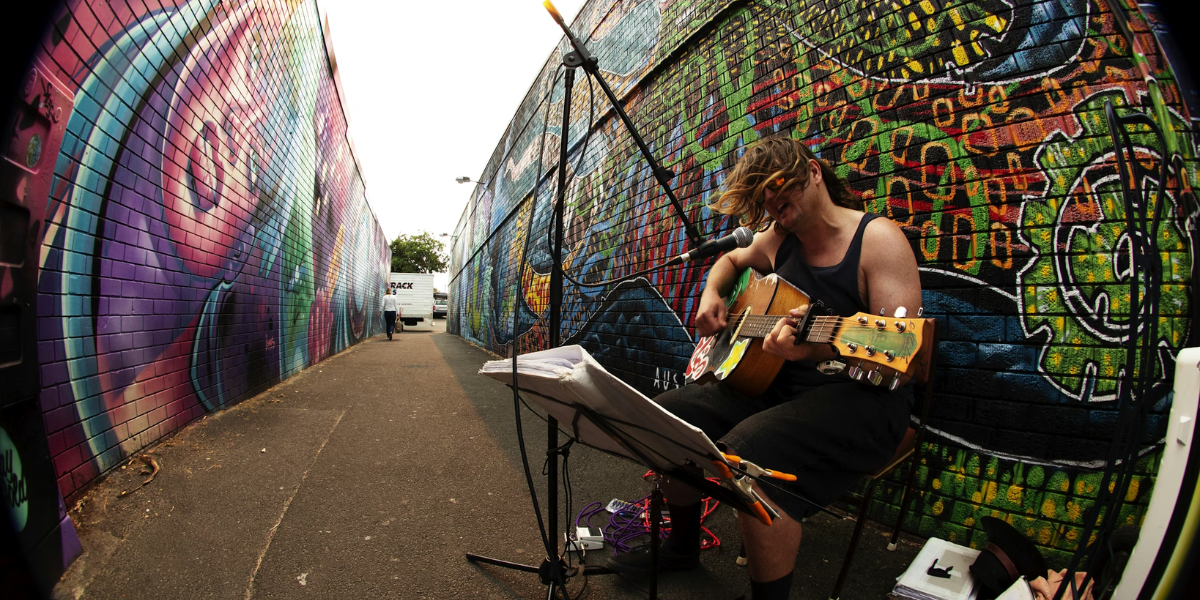
Independent musicians and self-managed artists are playing an increasingly important role in the U.S. music industry in 2026, as new distribution tools, direct-to-fan platforms, and social media discovery continue reshaping how music reaches audiences. On May 9, 2026, several industry reports and artist announcements highlighted the continued rise of independent creators across streaming, touring, and digital engagement platforms.
Music executives, festival organizers, and streaming analysts noted this week that independent artists are achieving stronger commercial visibility than ever before without relying exclusively on traditional major-label systems. The trend has become one of the most closely watched developments in today’s music business, influencing how labels scout talent and how audiences discover new music.
Independent labels and self-released artists now account for a growing share of streaming activity across major platforms. Industry observers say improvements in digital distribution and audience analytics have allowed artists to build sustainable fan communities while maintaining greater creative control over their work.
Several artists announced new independent releases this week, using streaming platforms and social channels to promote upcoming albums, singles, and live performances directly to fans. Many of these campaigns rely heavily on short-form video content, livestream engagement, and fan-created media that help songs gain traction organically online.
Music marketing professionals say the shift reflects changing audience behavior. Fans increasingly value authenticity and artist accessibility, creating opportunities for musicians who actively engage with listeners through behind-the-scenes content, interactive livestreams, and community-driven promotion.
Touring has also become a major area of opportunity for independent acts. Smaller venues, regional festivals, and niche music events across the United States are reporting strong attendance for emerging artists with dedicated online audiences. Industry analysts note that independent musicians are often able to build highly engaged fanbases through targeted touring strategies rather than relying solely on mainstream radio exposure.
This week’s festival updates also revealed expanded support for independent performers. Multiple summer festivals announced additional showcase stages focused on regional talent, genre experimentation, and new artist discovery programs. Event organizers said audiences are increasingly interested in discovering new acts alongside established headliners.
Technology companies serving the music industry continue to respond to this demand by expanding tools for creators. Digital platforms now offer more advanced audience analytics, merchandise integration, and fan subscription features designed to help musicians diversify revenue streams beyond streaming royalties alone.
Industry experts say merchandise sales, exclusive content memberships, and direct ticketing options have become especially important for independent artists navigating the modern music economy. While streaming remains a key discovery tool, many musicians are prioritizing stronger direct relationships with audiences to support long-term career growth.
Another trend receiving attention this week involves collaboration across music genres and online creator communities. Independent artists increasingly work with producers, visual creators, and influencers across multiple platforms to expand reach and experiment with new creative formats. Music professionals believe these partnerships are helping emerging musicians compete in a highly crowded digital landscape.
At the same time, industry leaders continue discussing the financial realities facing developing artists. Touring costs, production expenses, and marketing competition remain major challenges, particularly for musicians operating without large financial backing. Some artist advocacy groups have called for continued improvements in streaming transparency and creator compensation systems.
Despite those challenges, the broader outlook for independent music remains positive. Analysts point to growing listener demand for diverse voices, niche genres, and personalized fan experiences as factors driving long-term growth. Independent artists are increasingly shaping music trends rather than simply responding to them.
The current environment has also influenced how major labels approach talent development. Rather than discovering artists at the earliest stages of their careers, labels now frequently monitor musicians who have already established strong digital followings and proven audience engagement independently. Industry executives say this has changed the balance of negotiating power for many artists entering label discussions.
Fans continue benefiting from the expansion of independent music culture as well. Listeners now have greater access to artists from a wide range of musical backgrounds, styles, and geographic regions through streaming recommendations, online communities, and curated playlists.
As the music industry evolves throughout 2026, the growing influence of independent artists highlights a broader transformation in how music is created, distributed, and experienced. Today’s music landscape increasingly rewards adaptability, direct fan connection, and creative independence, giving emerging artists more opportunities to build sustainable careers on their own terms.
For fans, artists, and industry professionals alike, the rise of independent music represents one of the defining stories shaping the future of modern entertainment.